
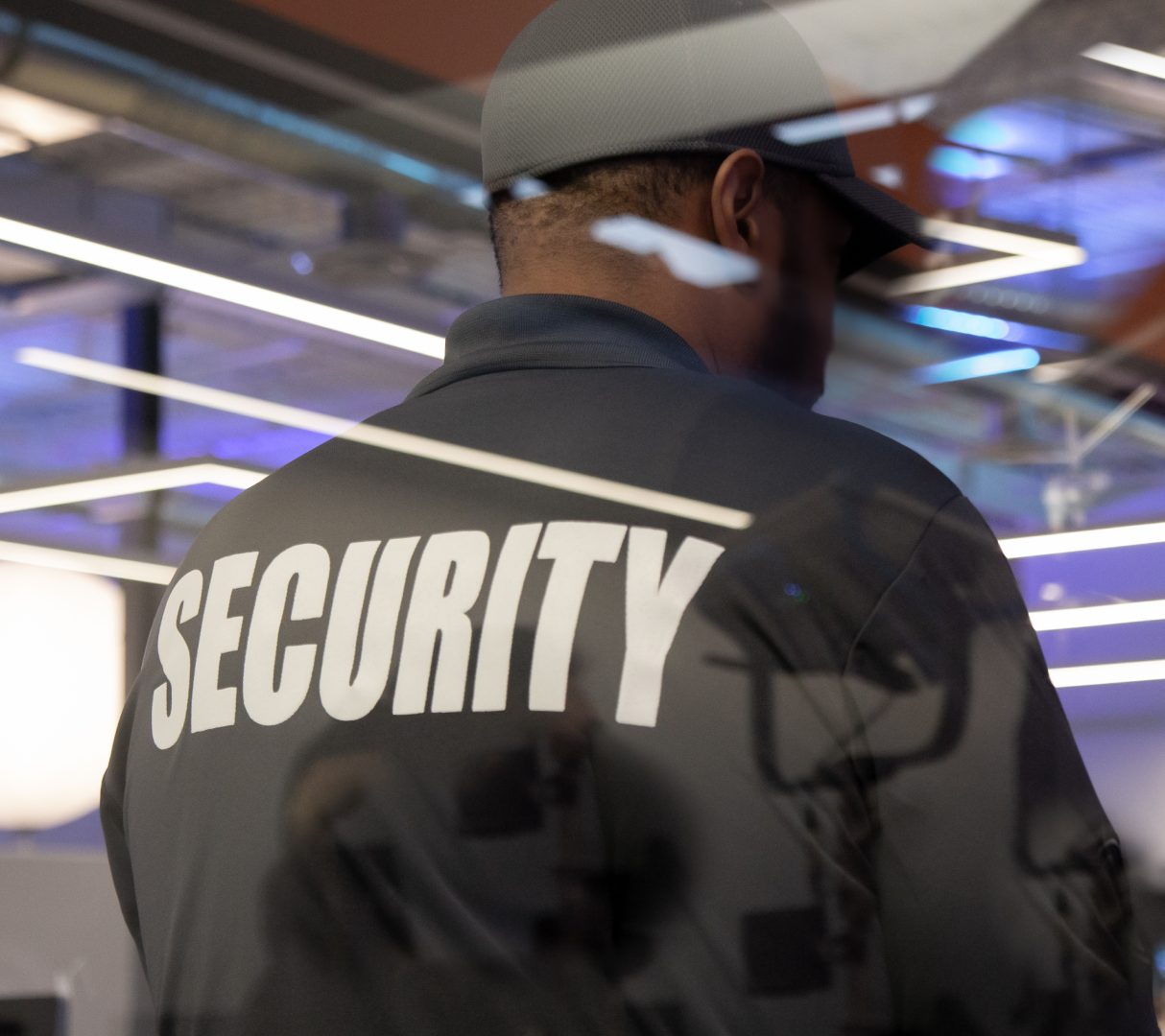
Imagine starting a work-day before many others have arrived. A commercial security guard arrives early and becomes the first line of defence for a business. They make sure that people, property and assets are safe. This article will walk through a typical day in the life of a commercial security guard in simple English. Along the way, we’ll mention how a professional security company such as Red Star Security supports that role.
Starting the Shift
When the guard reports for duty, their first task is checking in and getting up to speed. They receive a briefing from the previous shift, note any incidents or open issues and inspect their uniform and equipment. Before the busy part of the day begins, they confirm that radios, communication devices or monitoring systems are functioning. They also walk through key areas like entrances, exits, and the perimeter to look for anything out of place. Arriving early gives them a head-start in spotting potential issues before the rush of the day begins.
Morning Rounds and Monitoring
As the day begins, the guard carries out morning patrols and monitoring tasks. They walk through reception, parking lots, service entrances and other high-traffic zones. They check that doors and windows are locked where they should be, monitor surveillance cameras, and pay attention to anything unusual—perhaps someone loitering in a restricted zone or equipment left unattended. This morning phase sets the tone for security: being visible, being alert, and deterring unwelcome activity.
Interaction with Staff, Visitors and Contractors
A vital part of the guard’s day is engaging with people. Staff, visitors, delivery personnel and contractors will all pass through the site. The guard greets people, checks credentials if needed, and ensures that the site’s access rules are followed. These interactions must be polite yet firm. The guard serves not only as a protector but also as a representative of the business’ safety culture. Their presence reassures employees, and their vigilance protects assets.
Incident Response and Documentation
Even with a strong routine, unexpected events can occur. A fire alarm might go off, someone may attempt unauthorized entry, or equipment may malfunction. The guard must respond: assessing the situation, securing the area, notifying supervisors or emergency services, and following protocols to control the event. After the situation is handled, the guard writes a detailed report describing what happened, when it happened, who was involved, and what action was taken. Accurate documentation is essential, as it can influence future prevention, liability and business continuity.
Patrolling Less-Visited Areas
While many days seem quiet, the guard must also cover less-visible areas of the property. These may include storage rooms, rooftop access points, utility corridors, service yards and back parking. The guard checks for signs of tampering, damage, or unlocked access in these zones. They also inspect systems like lighting, alarms and access controls. Thorough patrolling helps maintain an overall picture of site safety and ensures no weak points are overlooked.
Break Times and Shift Change-Over
During quieter periods — perhaps early afternoon — it might appear things are slow, but the guard remains alert. Breaks are scheduled, but coverage continues, with rotation or delegated duties to maintain security. At the end of the shift the outgoing guard meets the incoming guard for a hand-over. This includes passing on logs, briefing the new guard on any issues or observations, and ensuring continuity. Smooth transitions are important so that no gap in protection occurs.
Evening Checks and Closing Duties
As the site winds down, the guard’s focus shifts somewhat. They confirm that staff and visitors have left areas they should, that doors and windows are secure, and that alarm systems and access controls are engaged correctly. They walk the property for a final check of lighting, perimeter security, and any potential vulnerabilities. They may lock lower-use zones, inspect for hazards such as fire or water leaks, and ensure that the site is ready for overnight security.
How a Professional Firm Supports the Guard?
A company like Red Star Security plays a key role in enabling the guard to perform effectively. This firm is based in Canada and has been operating for more than ten years, offering a wide range of security services across commercial, residential and event settings. Their team consists of licensed, uniformed guards who receive training and support in using modern technology, patrol systems and professional procedures. Working for such an agency means the guard is backed by reliable logistics, management oversight and quality controls.
Challenges and Rewards of the Role
This job is not always easy. A commercial security guard must stay alert for long hours, sometimes during nights or weekends. They must remain calm under pressure, adapt to changing situations, and maintain professional behaviour at all times. The environment may bring risks—weather, fatigue, or unexpected incidents. Yet the role is also rewarding. The guard plays an essential part in keeping people safe, protecting property and helping business operations run smoothly. Knowing that the presence of a guard helps prevent loss, damage or harm brings a strong sense of purpose.
Reflection and Continuous Improvement
When the shift ends, the guard doesn’t simply walk away. They review the day: what went well, what they might change, any observations worth passing on. This reflective approach helps maintain high standards. Through briefings, logs and reports, the guard contributes to evolving security practices and site improvement. With support from a well-managed firm like Red Star Security, this continuous improvement loop ensures that the guard’s performance stays sharp and the business stays protected.
Why Commercial Security Matters?
For any business, security is more than just doors and alarms. It is about ensuring staff are safe, visitors feel welcome yet secure, assets are protected, and reputation is maintained. A single overlooked issue—an unlocked door, malfunctioning alarm, or weak entry point—can cause loss, damage or disruption. A professional guard, backed by structured services and training, plays a vital role in reducing these risks. By deploying trained personnel, routine patrols, and incident-reporting systems, businesses can significantly strengthen their safety posture.
Conclusion
A day in the life of a commercial security guard is varied, important and grounded in routine and vigilance. From the first round in the morning to the final check at night, the guard remains alert, visible and prepared. Working with a professional security company such as Red Star Security ensures the guard is supported, trained and backed by structure. For any business seeking strong protection and peace of mind, investing in trained security guards and proven systems is a step worth taking.




No comment