
A retail store is a busy hub of thousands of items moving in and out each day. Amidst such busyness, losses of goods become easily possible. Losses occur because of shoplifting, employee theft, broken products, incorrect billing, and so on. These losses can silently reduce your profit and may turn into long-term challenges for retail businesses. Therefore, every store needs to be serious about taking care of security and loss prevention. This is possible when you have the appropriate plan, with adequate training, proper equipment, and support.
Understand the Risks
Understanding where the losses come from is the first step in any loss prevention strategy. One of the biggest risks in most stores involves shoplifting, where people either hide products or simply walk away without paying for them. Internal theft is also common, where sometimes employees misuse their access or give away products without billing them. Mistakes during billing, scanning, and inventory counting are other sources of losses. Damages during handling or storage add to the problem. When retailers understand the different types of losses, they can create stronger plans to stop them.
Establish Clear Policies
A retail store should have simple rules guiding everyday work. These need to explain how staff is to move stock, handle cash, watch the sales floor, and report unusual activity. Clear policies help each employee understand their role. For example, rules on receipt-checking at the exit or the storing of valuables reduce risks. The policy should spell out what to do when suspicious behaviour is seen. The shop should review such rules periodically to keep them effective.
Train the Staff
It is the employees who help prevent losses. They are on the floor every day and can note when something is amiss. Good training helps employees recognize suspicious behaviour, respond calmly, report incidents correctly, handle cash, work with security tools, or manage customer interactions in a safe way. In this case, when employees feel confident, they will be more likely to take action. A well-trained team fosters a culture where the approach to preventing loss becomes a shared one.
Use the Right Technology
Today, technology is one of the strongest tools in retail loss prevention. Cameras in key locations act to record activity and deter theft. In modern systems, it becomes easy to keep track of entrances and exits, stockrooms, and cash counters. Alarm systems can alert staff if someone tries to move products out without permission. Valuable items can be protected by electronic article surveillance tags. Inventory software has facilitated tracking of the products in real time. These tools make early problem detection easier, hence prompting quick actions. When well utilized, technology becomes a strong support for employees and managers.
Smart Store Layout
The physical design of a store itself can play its role in theft prevention. A clean and open layout without hidden corners makes it hard for people to hide merchandise items. Good lighting ensures that every area is visible. Placing high-value products near staff counters or closer to the front reduces the risk of loss. Small, easily stolen items should be placed in locked displays or near employees. Even something as simple as keeping the shelves organized will help staff notice what’s missing. A smart layout supports security as well as a pleasant shopping experience.
Strong Inventory Management
Bad inventory tracking is a major cause of loss within retail. When products are not correctly counted or recorded, it becomes impossible to know where losses are coming from. Regularly checking stock identifies missing items early. Comparing sales records with product levels gives a clear picture of what is taking place. The store should have a proper process for returns and refunds since these areas are often used for theft or fraud. Accurate inventory management prevents loss and helps stores order products on time with no waste.
Access Control
Not everyone should, or needs to, enter every area of the store. Stockrooms, storage areas, and offices are all areas that only need to be entered by those who are trained to do so. Visitors and delivery personnel must always be accompanied. Access control, keycards, and secure locks are helpful access control tools. Limiting this access alone will decrease internal shrinkage by reducing access to high-value merchandise. Sometimes it’s as simple as keeping back doors locked and the exits watched.
Visible Security
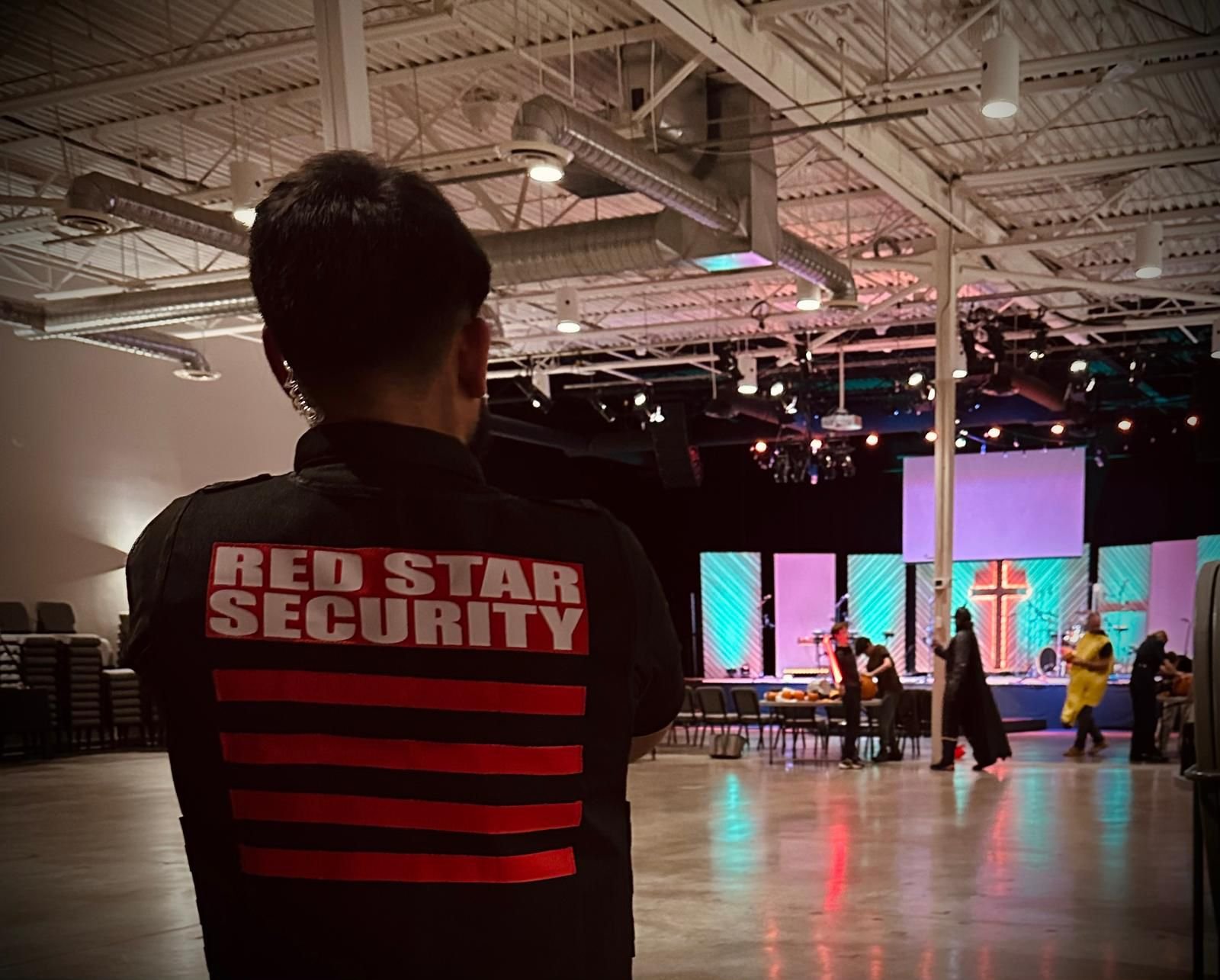
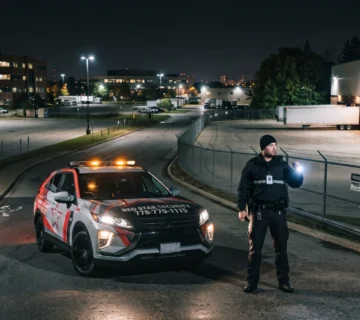
A visible security presence will deter individuals from even considering theft. This may be in the form of a security guard standing at the door, signs indicating that the store is monitored, or simply staff who acknowledge customers as they enter. Welcoming interaction helps make customers feel appreciated yet reminds them that this is a vigilant store. Uniformed guards, routine patrols, and active monitoring demonstrate a store’s concern for safety. A visible security system creates an overall safer, more comfortable environment for customers and employees alike.
Regular Audits and Improvement
No plan can be ideal for all times. The stores will have to constantly appraise the functioning of their security measures, including inventory reports, incident analyses, camera footage reviews, and employee feedback. If new risks crop up, the store will need to modify the plan. Continuous improvement keeps the store safe even as challenges shift. Reviewing operations will also help identify training needs, weak spots, or outdated equipment.
Working with a Professional Security Company
Many shops benefit from collaborating with professional security partners. Professional security providers bring trained guards, advanced tools, and years of experience. A trusted name for this comes from Redstar Security. The company has been providing retail security services throughout Canada and assists in safeguarding customers, staff, and assets within the business. Trained security professionals can handle many situations and provide a great balance of high awareness and excellent communication. The company is able to understand retail settings and knows how to manage any risk. They provide reliable, friendly service to give peace of mind. With their help, stores have been able to enhance their loss prevention plans and stay more focused on serving customers.
Customer Service and Engagement
Good customer service can also contribute to a reduction in theft. When personnel greet people and offer help, it is more difficult for any individual to act suspiciously. A friendly store builds trust with the customers and may encourage them to report problems. When open communication is developed, it gets easier for staff to observe or react to different situations. Customer engagement improves satisfaction and loyalty.
Building a Culture of Awareness
Loss prevention isn’t just about cameras and policies; it’s about creating a culture where everyone cares about protecting the store. This culture grows when managers lead by example and encourage teamwork. Staff members should feel comfortable reporting that nothing is wrong. When people feel respected and valued, they become responsible. More than rules and systems, a strong culture is one of the best long-term strategies to reduce losses.
Conclusion
Security and loss prevention are key components of operating a successful retail store. Understanding the risks, having clear rules, training staff, applying technology, smart designs of layout, inventory management, and access control are all ways in which a store can protect its business. A visible security presence and support from a professional company like Redstar Security add another strong layer of protection. It is when all these steps work together that losses decrease, profits grow, and stores become safer places for everyone.


No comment