
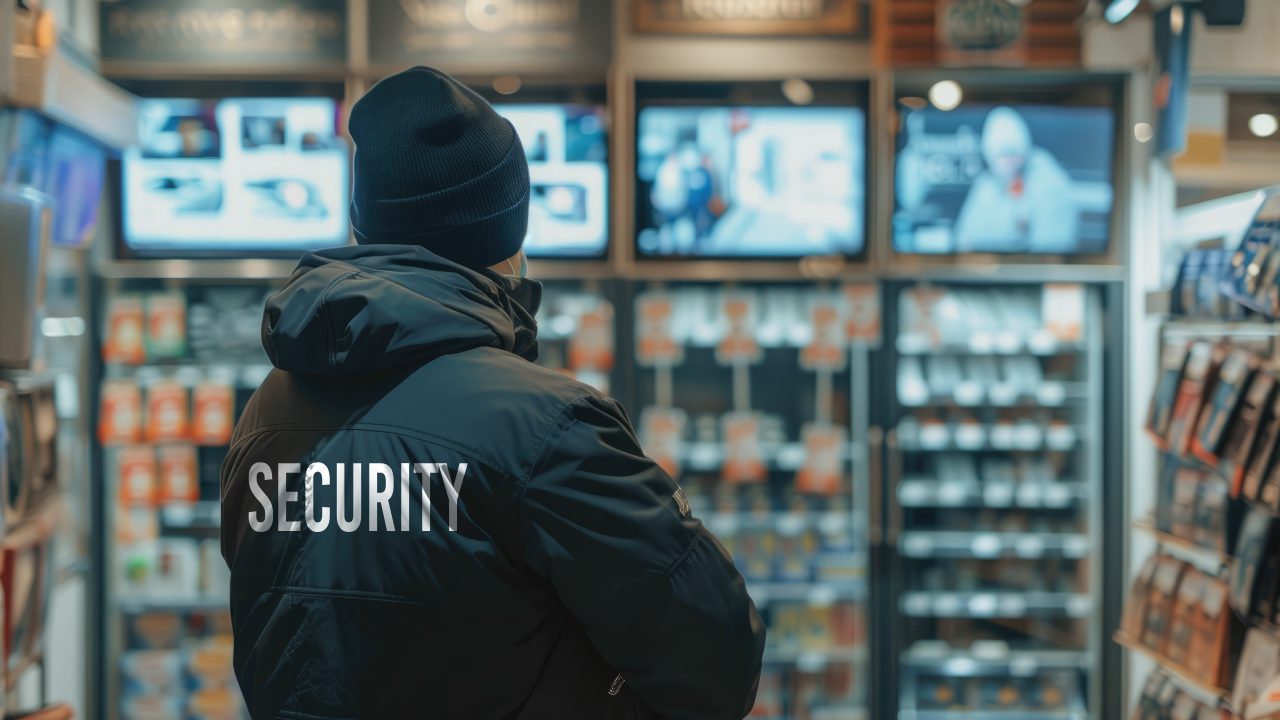
When Everyday Store Activity Hides Small Security Gaps
A busy retail store can look completely normal when a security issue unfolds in plain sight. Employees are helping shoppers, checkout lines are moving, shelves are being restocked, and someone may quietly leave with unpaid merchandise.
That is where Loss Prevention Security becomes relevant. Retail loss can come from shoplifting, internal theft, inventory discrepancies, weak visibility, distracted staff, or poorly monitored entrances and exits.
The difficult part is that many incidents do not look dramatic. A product may disappear during a rush. A stock count may be off after several shifts. A staff member may notice repeated activity near a low-visibility aisle. Over time, small warning signs can point to a larger gap.
For retailers in Langley, BC, the goal is not to treat every shopper as suspicious. It is to create practical systems that make unusual activity easier to notice, document, and address.
Here are seven steps that can help retail managers review their current store security plan.
Why Retail Stores Need a Strong Security Plan
Retail security involves various components. A store may have multiple entrances, busy checkout areas, stockrooms, loading zones, parking areas, and valuable merchandise.
During a quiet period, employees may see most of the sales floor. During a rush, that same visibility can disappear.
A security plan should account for:
- Customer traffic
- Store layout
- Entrance and exit locations
- High-value merchandise
- Stockroom access
- Delivery activity
- Employee movement
- Opening and closing periods
- Busy shopping hours
Cameras, alarms, and staff all have a role. Yet each has limits. A camera can record an event, but it does not walk through a store. An alarm can signal an issue, but staff still need a response process.
A layered approach works best when different security measures support one another. The aim is to reduce gaps rather than rely on one device or one employee.
7 Loss Prevention Security Tips for Retail Stores
1. Keep Entrances and Exits Visible
The entrance may be the busiest part of a store, but that does not mean it receives constant attention.
Displays, signs, seasonal products, and crowded aisles can create visual barriers. An exit may also sit outside the natural view of the checkout counter.
Start by walking through the store during different hours. Look from the perspective of an employee stationed at the register. Ask:
- Can staff see customers entering?
- Can employees observe the main exits?
- Are there displays blocking important sightlines?
- Are there corners where activity can occur without casual observation?
- Does the layout change during promotions?
Clear sightlines can make routine monitoring easier. Entrance and exit observation can also help staff notice unusual conduct without interfering with ordinary shoppers.
For Loss Prevention Security, visibility is a basic layer. It does not require confrontation. It simply makes the store easier to monitor.
2. Watch for Unusual Behaviour Without Profiling Customers
Security observation should focus on conduct, not personal characteristics.
A shopper’s race, age, clothing, gender, or appearance should never be treated as evidence of wrongdoing. Staff should instead pay attention to behaviour that may indicate a security concern.
Examples can include:
- Repeated movement between aisles without normal shopping activity
- Unusual attention to employee locations
- Attempts to conceal merchandise
- Repeated visits to areas with limited visibility
- Coordinated distractions involving several people
- Attempts to bypass normal checkout procedures
None of these signs proves that a theft has occurred. They simply tell staff to remain attentive and follow store procedures.
A calm approach matters. Employees should not accuse customers based on assumptions. If a situation develops, staff can notify a manager or security personnel and follow the store’s established process.
This approach keeps Loss Prevention Security focused on observable actions rather than profiling.
3. Protect High-Value and Frequently Targeted Merchandise
Not every product creates the same security concern. Small, costly items can be easier to conceal, while frequently missing products may point to a recurring issue.
Retail managers can review inventory records to identify patterns. Look for products that repeatedly show discrepancies. Compare those findings with store layout, shelf location, staffing levels, and shopping periods.
Practical steps may include:
- Moving high-value items into areas with stronger visibility
- Using locked displays where appropriate
- Keeping small, high-value products near staffed areas
- Reviewing products with repeated inventory discrepancies
- Checking whether displays create hidden areas
- Matching shelf placement with normal customer flow
Product placement should still make shopping practical. Security measures should not turn ordinary browsing into an obstacle course.
Loss Prevention Security can include simple changes to where merchandise sits, who can see it, and how inventory movement is recorded.
4. Monitor Busy Shopping Periods
A store can become harder to monitor precisely when the number of people inside increases.
Weekends, holidays, sales, store openings, shift changes, and closing periods can place extra pressure on employees. A cashier may be handling a long line while another employee is helping a customer across the store.
Review your busiest periods and ask whether staffing positions still provide visibility.
Consider:
- Assigning clear zones during peak hours
- Keeping entrances and exits visible
- Scheduling patrols when customer traffic rises
- Checking vulnerable areas at regular intervals
- Making sure employees know who to contact when concerns arise
The point is not to watch every person. It is to prevent predictable gaps in attention.
The security plan should account for the way a store actually operates. A plan that works at 10 a.m. may need changes at 6 p.m.
5. Strengthen Stockroom and Back-of-House Security
While the sales floor is often the focus, merchandise can also go missing in the stockroom and back-of-house areas.
Stockrooms, delivery areas, employee entrances, and loading zones may have fewer people watching them. Inventory can move through these areas several times before reaching a shelf.
Review who can enter restricted areas and how access is managed.
Useful measures include:
- Limiting stockroom access
- Keeping employee-only doors secured
- Recording inventory movement
- Reviewing delivery procedures
- Controlling keys or access credentials
- Checking loading areas during deliveries
- Reporting unknown visitors promptly
A visitor who needs access to a stockroom should have a clear reason and an appropriate point of contact.
Back-of-house controls can also make inventory discrepancies easier to investigate. When managers know when products arrived, where they moved, and who had authorized access, they have additional information when something does not match the records.
Loss Prevention Security should cover the entire path of merchandise, not only the customer-facing area.
6. Use Cameras as Part of a Wider Security Strategy
CCTV can provide useful visibility, but a camera is not a complete security plan.
Cameras can help with monitoring, incident review, identifying security gaps, and checking areas that are difficult for employees to watch continuously.
Common camera locations include:
- Entrances
- Exits
- Checkout areas
- High-value merchandise
- Stockrooms
- Loading zones
- Other vulnerable areas
Placement matters. A camera pointed at a blocked display may provide poor visibility. Retail managers should periodically review whether cameras still cover the areas that matter.
CCTV can also help after an incident. Footage may help management review what happened, identify timing, and improve store procedures.
However, cameras have limits. They do not replace active observation, staff awareness, clear procedures, or an on-site security presence when a store needs one.
7. Consider Professional Security Guard Support
Some retailers need an active human presence in addition to their existing systems.
Security guards can support store operations through visible deterrence, patrols, entrance and exit monitoring, incident observation, and communication with management.
Depending on the assignment, duties may include:
- Store patrols
- Monitoring entrances and exits
- Opening and closing support
- Customer safety support
- Observation of unusual activity
- Incident documentation
- Communication with management
- Coordination with emergency services when appropriate
The role is to reduce the risk of theft. It is to add another layer of observation and provide a clear point of contact when a concern develops.
For retailers reviewing Loss Prevention Security, on-site guards may make sense when the store has recurring incidents, high-value inventory, multiple entrances, long operating hours, or periods when employees are heavily occupied.
Warning Signs Your Retail Store May Have Security Gaps
Sometimes, the initial indication is not a significant event. It is a pattern that keeps appearing in ordinary business records.
Watch for signs such as:
- Inventory repeatedly goes missing.
- Certain products disappear more often than others.
- Staff report recurring suspicious activity.
- Cameras do not cover important areas.
- Employees struggle to monitor entrances and exits.
- Stockroom access is difficult to control.
- Incidents happen during predictable times.
- Security procedures vary between shifts.
- Employees are unsure what to do when theft is suspected.
Each sign deserves a closer look, but none should automatically be treated as proof of criminal conduct.
Start with records. Compare inventory counts, incident reports, staffing schedules, camera coverage, and operating hours. Patterns can reveal where a store needs stronger procedures.
Common retail security mistakes can lead to significant financial losses.
Retailers can invest in security equipment and still leave basic gaps.
One common mistake is relying solely on CCTV. Cameras can record activity, but they do not replace a response process.
Another is ignoring repeated inventory discrepancies. A single mismatch may have several explanations. Repeated mismatches deserve review.
Other mistakes include:
- Leaving entrances poorly monitored
- Allowing unrestricted stockroom access
- Failing to review incidents
- Having no clear response procedure
- Understaffing during busy periods
- Treating every security concern as an isolated event
A store should also avoid asking employees to take risks. Staff should know when to step back, contact management, and follow established procedures.
Security is not about creating confrontations. It is about reducing opportunities for loss, improving visibility, and giving employees a clear process.
How Loss Prevention Security Works in Langley Retail Stores
Retail businesses in Langley, BC, can have entirely unique layouts and operating patterns. A store in a retail plaza may face different monitoring needs from a standalone shop.
A practical retail security plan may consider:
- Customer traffic
- Parking areas
- Store entrances
- Delivery zones
- Multiple access points
- Opening and closing periods
- Seasonal shopping activity
- Merchandise value
- Store layout
For example, a retailer with several entrances may need a different observation plan from a smaller shop with one customer entrance.
A business can also review security by time of day. Morning opening, afternoon traffic, evening shopping, closing, and delivery periods may each create different gaps.
Loss Prevention Security in Langley should be based on the store’s actual conditions rather than a one-size-fits-all checklist.
When Should a Retail Store Consider Security Guards?
There is no single store size that determines whether guards make sense.
A small shop with high-value products may have different needs from a large store with many employees and several entrances.
Retailers may consider an on-site security presence when they have:
- Repeated theft incidents
- High-value inventory
- Large customer volume
- Frequent disturbances
- Multiple entrances
- Poor visibility
- Previous security incidents
- Late operating hours
- Busy seasonal periods
- Concerns about employee or customer safety
Before making a decision, please take a moment to review the current situation. Look at incident records, inventory discrepancies, staffing patterns, store layout, and vulnerable periods.
The aim is to match security coverage to identified needs.
FAQs
What does Loss Prevention Security mean for a retail store?
It refers to practices used to reduce theft, identify security gaps, protect merchandise, monitor vulnerable areas, and support store safety. It can include staff procedures, inventory controls, CCTV, access controls, and security guards.
Can security guards prevent shoplifting?
Guards can provide visible deterrence and observe activity, but no security measure can promise that every theft will be stopped. Their role is to monitor, document, communicate, and follow lawful procedures when an incident occurs.
Where should retail security guards focus their attention?
Common focus areas include entrances, exits, checkout areas, high-value merchandise, stockrooms, loading zones, and other locations identified by the retailer as vulnerable.
Are security guards useful during busy shopping periods?
They can add an active security presence when employees are occupied with customers. Guards may monitor entrances, patrol the store, observe unusual conduct, and communicate concerns to management.
Should small retail stores use security guards?
Store size is only one factor. Merchandise value, operating hours, previous incidents, customer traffic, layout, and access points can also influence the decision.
Can security guards monitor entrances and exits?
Yes. Depending on the assignment, guards may monitor movement at entrances and exits while following store policies and applicable laws.
How can a Langley retailer improve store security?
Start by reviewing blind spots, inventory discrepancies, camera coverage, stockroom access, staffing during busy periods, and incident procedures. Staff should also know who to contact when a security concern develops.
Moving Forward
Retail security does not start and end with a camera above the checkout counter.
A store may have strong equipment and still have a gap at an entrance, stockroom, loading area, or during a busy shift. Small issues can become recurring problems when no one reviews the pattern.
Loss Prevention Security is about creating layers. Clear visibility, inventory checks, staff procedures, CCTV, access controls, and an active security presence can work together.
If your retail store in Langley needs an on-site security presence, Red Star Security Ltd can discuss the type of coverage that fits your operating schedule and store layout. We are located at 5896 186a St, Surrey, BC V3S 7Z9, Canada.
Call Red Star Security Ltd at +1 778-770-1115 to discuss security guard support for your retail store in Langley.



No comment