
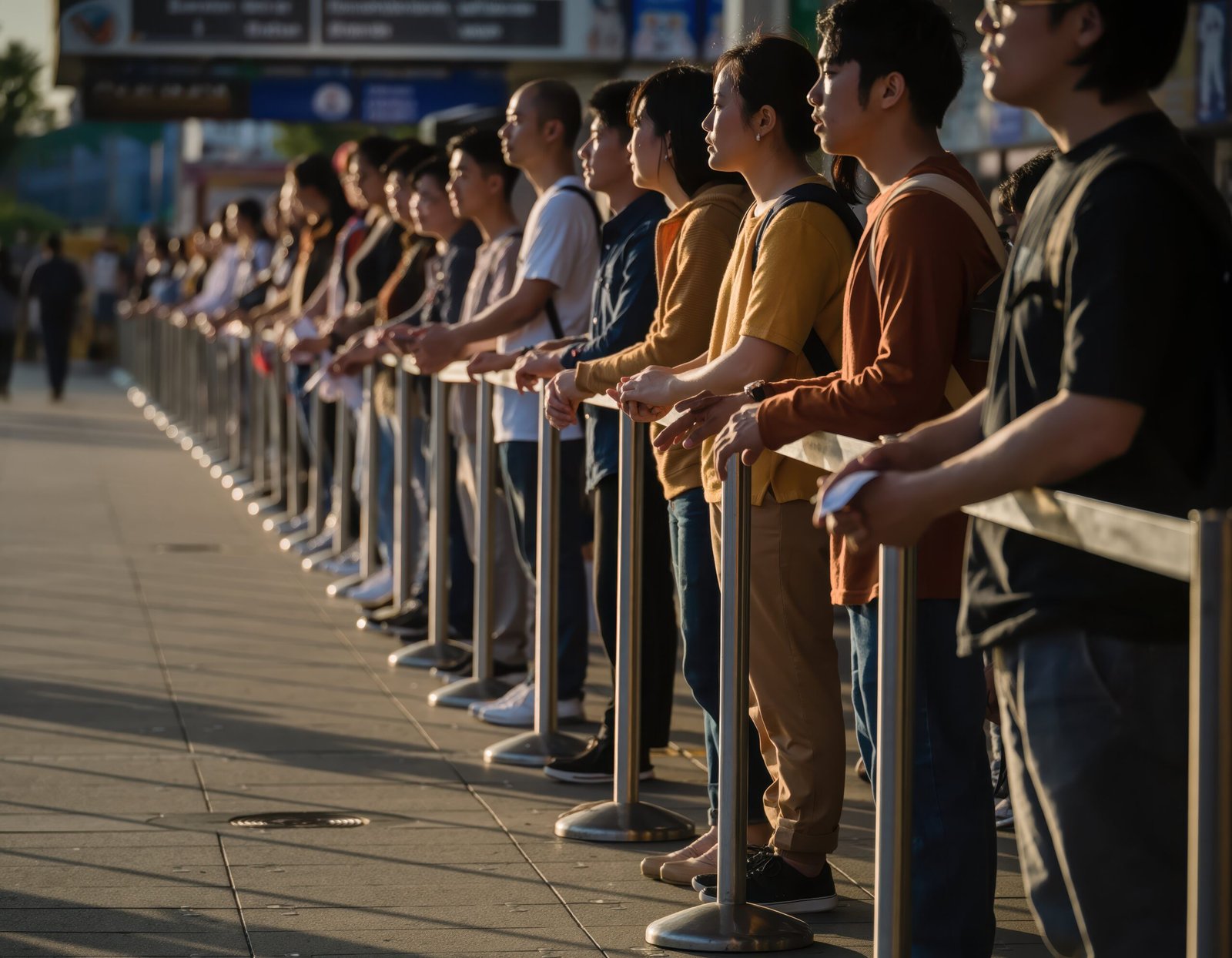
Creating Safer Events Through Organized Crowd Management and Planning
Large gatherings are a common part of community life in Surrey BC. From festivals and concerts to sporting events, corporate functions, parades, and public celebrations, events bring people together for entertainment, networking, and community engagement. While these occasions create positive experiences, they also require careful planning to maintain order and protect attendees.
One of the most important elements of event planning is implementing reliable Crowd Control Practices. Without proper planning, large groups can create congestion, confusion, delays, and safety concerns. Event organizers, venue managers, and security teams must work together to manage movement, regulate access points, and respond quickly to changing situations.
For organizations hosting events in Surrey BC, understanding effective Crowd Control Practices can help reduce risks and support smooth event operations. Below are nine important practices that contribute to public safety while improving the overall event environment.
Why Crowd Management Matters at Public Events
Public events often involve hundreds or even thousands of attendees arriving, moving, and leaving within a short period. Without a clear strategy, crowd density can increase rapidly, creating bottlenecks and complicating emergency responses.
Proper Crowd Control Practices help:
- Direct pedestrian movement
- Reduce congestion
- Support emergency access
- Manage entry and exit points.
- Prevent unauthorized access
- Improve attendee flow
- Minimize confusion during peak periods.
Whether the event is indoors or outdoors, planning ahead is essential for maintaining a safe environment.
1. Conduct a Detailed Site Assessment
Every event venue presents unique challenges. Before attendees arrive, organizers should conduct a thorough site assessment.
This assessment should identify:
- Entry and exit locations
- Emergency evacuation routes
- Potential congestion points
- Parking areas
- Pedestrian pathways
- Restricted zones
A thorough site review helps security teams establish Crowd Control Practices that align with the layout and expected attendance levels.
2. Establish Clearly Marked Entry and Exit Points
One of the most effective Crowd Control Practices involves creating clearly designated entrances and exits.
Attendees should immediately understand:
- Where to enter
- Where to exit
- Which areas are restricted
- Where ticket verification occurs
Visible signage helps reduce confusion and supports orderly movement throughout the event. Separate entrances and exits can also reduce crowd crossover and congestion.
3. Use Physical Barriers Strategically
Barricades, fencing, and temporary barriers play an important role in crowd management.
When positioned correctly, barriers can:
- Create organized queues
- Protect restricted areas
- Direct pedestrian traffic
- Separate vehicle and pedestrian zones
- Prevent overcrowding
Physical barriers are among the most widely used Crowd Control Practices because they provide visual guidance while helping security personnel manage movement effectively.
4. Monitor Crowd Density Continuously
Crowd conditions can change quickly during public events. Areas that appear manageable early in the day may become heavily congested later.
Security teams should monitor:
- Queue lengths
- Gathering points
- Walkways
- Vendor areas
- Stage-front sections
- Parking access routes
Continuous observation allows personnel to adjust Crowd Control Practices before congestion becomes a larger issue.
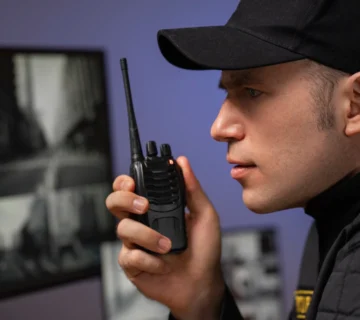
5. Maintain Strong Communication Systems
Communication is essential for successful crowd management.
Security personnel, event staff, parking attendants, and organizers should have access to reliable communication tools such as radios or mobile coordination systems.
Effective communication helps teams:
- Respond to incidents quickly.
- Coordinate crowd movement
- Address operational concerns
- Relay emergency information
- Redirect attendees when needed.
Many event-related issues can be managed efficiently when information is shared promptly among staff members.
6. Train Security Personnel Thoroughly
Well-trained personnel play a significant role in successfully implementing Crowd Control Practices.
Training should include:
- Crowd observation techniques
- Conflict management procedures
- Emergency response protocols
- Access control procedures
- Communication methods
- Evacuation planning
Personnel who understand crowd behaviour can identify developing concerns and take appropriate action before situations escalate.
7. Develop an Emergency Response Plan
Even well-organized events can encounter unexpected situations.
Every event should have a documented emergency response plan that addresses:
- Medical emergencies
- Fire incidents
- Severe weather
- Security concerns
- Evacuation procedures
- Lost persons
Strong Crowd Control Practices are closely linked to emergency preparedness because orderly crowd movement becomes critical in urgent situations.
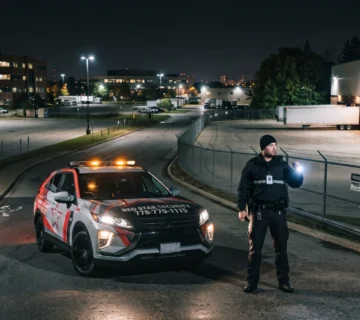
8. Manage Vehicle and Pedestrian Traffic Separately
Public events often attract significant vehicle traffic. Mixing vehicles and pedestrians in the same areas can increase confusion and create hazards.
Event organizers should establish:
- Designated pedestrian routes
- Vehicle access lanes
- Drop-off zones
- Parking entrances
- Service vehicle routes
Separating traffic types is one of the most practical Crowd Control Practices for supporting smooth movement around event venues.
9. Review and Improve After Every Event
Continuous improvement is essential for future success.
After the event concludes, organizers should review:
- Security reports
- Incident logs
- Staff observations
- Attendee feedback
- Traffic flow performance
These evaluations provide valuable information for refining Crowd Control Practices at future events.
Crowd Control Tips for Managing Busy Event Entrances
Event entrances are often the busiest areas during public gatherings. Managing these areas efficiently can significantly influence attendee movement and overall event operations.
Consider the following crowd control tips:
Create Multiple Access Points
When attendance levels are high, multiple entry points can reduce wait times and more evenly distribute foot traffic.
Open Gates Early
Allowing attendees to enter before peak arrival periods can reduce congestion at entrances.
Use Queue Management Systems
Queue lanes, stanchions, and directional barriers help organize lines and minimize confusion.
Position Staff Strategically
Personnel stationed near entrances can answer questions, direct attendees, and identify developing congestion points.
Conduct Entry Screening Efficiently
Bag checks, ticket verification, and access control procedures should be organized to avoid unnecessary delays.
Provide Clear Signage
Visible signs reduce uncertainty and help attendees move through entrances smoothly.
Implementing these measures alongside established Crowd Control Practices can create a more organized arrival process.
Crowd Control Challenges That Often Affect Public Events
Every event presents unique operational challenges. Understanding common obstacles allows organizers to prepare in advance.
Unexpected Attendance Surges
Attendance can exceed projections, particularly at free community events or popular festivals.
Weather-Related Disruptions
Rain, wind, or extreme temperatures may force attendees into covered areas, increasing crowd density.
Bottlenecks Near Attractions
Stages, food vendors, merchandise booths, and activity zones often attract large groups.
Parking Congestion
Traffic delays can affect attendee arrival times and create backups near entry points.
Limited Venue Space
Smaller venues may experience crowd concentration in common areas.
Emergency Situations
Medical incidents or unexpected disruptions can require rapid crowd movement and coordinated responses.
Addressing these challenges requires proactive planning and flexible Crowd Control Practices that can adapt to changing conditions.
The Value of Professional Event Security Services
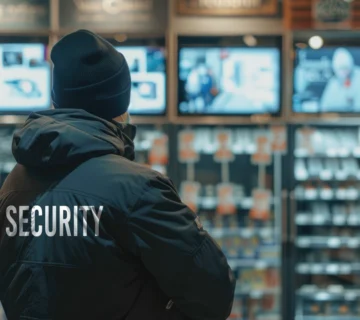
Managing crowds effectively requires more than barriers and signage. Professional security personnel provide observation, coordination, and operational support throughout an event.
Security teams assist with:
- Access control
- Crowd monitoring
- Queue management
- Emergency coordination
- Parking supervision
- Public interaction
- Incident reporting
Their presence helps maintain order while supporting event objectives and attendee safety.
Why Surrey BC Events Require Careful Crowd Planning
Surrey BC hosts a wide variety of public gatherings throughout the year, including cultural festivals, sporting events, community celebrations, business functions, and entertainment programs.
As attendance levels continue to grow, event organizers face increasing responsibility for managing large groups effectively. Implementing reliable Crowd Control Practices helps support organized movement while reducing disruptions and operational challenges.
From venue assessments and entry management to communication systems and emergency planning, each step contributes to a safer event environment.
FAQs
1. What are Crowd Control Practices?
Crowd Control Practices are procedures and strategies used to manage the movement, behaviour, and flow of people during events, public gatherings, and busy environments.
2. Why are Crowd Control Practices important for public events?
They help reduce congestion, support organized movement, improve emergency access, and minimize operational disruptions during large gatherings.
3. How can event entrances be managed more efficiently?
Multiple access points, organized queue systems, trained personnel, and clear signage can help reduce delays and improve attendee flow.
4. What challenges commonly affect crowd management?
Common challenges include attendance surges, parking congestion, weather disruptions, bottlenecks near attractions, and emergency situations.
5. When should event organizers hire professional security personnel?
Professional security personnel should be considered whenever events involve large crowds, access control requirements, parking management, or public safety planning.
Moving Forward
Successful events require planning, coordination, and dependable security support. Red Star Security Ltd provides professional crowd management and event security services for organizations throughout Surrey BC.
Whether you are organizing a community festival, corporate gathering, concert, sporting event, or public celebration, the team at Red Star Security Ltd can help implement practical Crowd Control Practices that support orderly operations and public safety.
Contact Red Star Security Ltd today to discuss your upcoming event in Surrey BC, and learn how professional security personnel can help manage crowds, control access points, and ensure a smooth event experience from start to finish.



No comment