

What Your Missing Inventory Could Be Telling You
A retailer opens the doors on Monday morning, and everything appears normal. The shelves are stocked, customers arrive, and staff begin their shifts. Then the inventory count raises a question: several items are missing. Nobody knows when they disappeared, who handled them, or whether the issue happened inside the store or outside it. This is where Loss Prevention Security becomes important, as retail losses do not always come from one obvious incident.
Over time, small gaps in observation, access control, staff procedures, and incident reporting can accumulate. For retailers in Langley, British Columbia, these gaps can affect stock, daily operations, staff workloads, and operating expenses. Some security mistakes are easy to overlook until the numbers stop making sense. Here are nine common issues worth reviewing.
Why Loss Prevention Security Matters for Retailers
Retail businesses deal with several forms of loss. Shoplifting may receive the most attention, but it is only one part of the picture. Losses can also involve employee theft, organized retail theft, inventory discrepancies, unauthorized access, fraudulent activity, and poorly monitored areas. A stockroom door left open may seem minor, while a blocked camera view or inconsistent access controls can create another weak point. When several small gaps exist at once, they can contribute to a larger operational problem.
Loss Prevention Security focuses on identifying these weaknesses and supporting measures that can reduce opportunities for theft and unauthorized activity. The goal is not to assume every customer or employee is a threat. Instead, retailers can create sensible procedures around the actual risks of their property. A supermarket may need attention around entrances, exits, loading areas, and aisles, while an electronics store may place more focus on high-value merchandise and restricted areas. The right approach depends on the store, its layout, operating hours, and day-to-day activity.
9 Loss Prevention Security Mistakes Costing Retailers Money
A security gap does not always look dramatic.
Occasionally, it resembles an unlocked door, an unattended entrance, or a busy sales period with insufficient oversight.
These nine mistakes can leave retailers with questions they would rather not answer.
1. Relying Solely on Cameras
Cameras can record activity and help management review incidents. They can also provide useful visual information after an event.
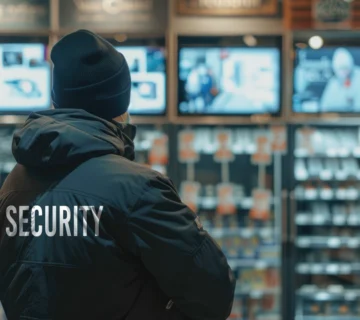
But a camera does not physically stand at an entrance. It does not automatically question unauthorized access. It does not replace personnel who can observe activity as it happens.
There may also be blind spots, obstructed views, recording limitations, or too many camera feeds for staff to watch continuously.
This creates an important distinction.
A recording can show what happened. Personnel on site may be able to observe and report activity as it develops.
For many retailers, combining video surveillance with appropriate Retail Security Guards can create a more active layer of observation.
2. Ignoring High-Risk Store Areas
Walk through a retail property and look beyond the sales floor.
Where are the stockrooms? Which doors lead outside? Where do deliveries arrive? Which emergency exits are usually not checked?
Other areas may include:
- Employee-only rooms
- Loading zones
- High-value merchandise sections
- Storage cages
- Side entrances
- Parking access points
- Waste and disposal areas
These locations can create security gaps when nobody has clear responsibility for monitoring them.
A store may have strong visibility near the main entrance while leaving a rear loading door largely unattended.
That imbalance matters.
Store Security should consider the entire property rather than focusing on the areas customers see first.
3. Treating Every Shift the Same
A retail store can look like a completely different environment at different times.
Morning opening may involve deliveries and staff arrivals. Afternoon hours may bring heavy customer traffic. Closing creates another set of concerns as employees count cash, move stock, and secure the property.
Weekends, holidays, sales events, and late-night operations can change the situation again.
Using the same security coverage for every shift may leave certain periods with fewer controls than the business actually needs.
A practical review should consider:
- Opening procedures
- Closing procedures
- Weekend traffic
- Holiday schedules
- Staff availability
- Delivery times
- Late operating hours
- Promotional events
Loss Prevention Security should reflect how the property actually operates throughout the day.
4. Failing to Monitor Entrances and Exits
The front door is not simply where customers enter.
Entrances and exits can also provide opportunities for unauthorized access, suspicious activity, and merchandise movement.
A busy entrance can make observation more difficult. Multiple people entering and leaving at once can create distractions. Staff may also be focused on customer service rather than security concerns.
A visible security presence can provide another set of eyes.
Retail Security Guards may monitor entry and exit activity, observe unusual behaviour, communicate with store personnel, and document incidents according to site procedures.
The purpose is not to treat ordinary customers with suspicion.
It is to maintain awareness while keeping the retail environment orderly.
5. Overlooking Internal Theft Risks
Then there is the problem many retailers miss.
Not every loss begins outside the store.
Internal theft risks may involve stockrooms, cash handling, restricted areas, inventory movement, or unauthorized access to merchandise.
This does not mean retailers should distrust their employees. It means internal controls should be clear and consistently followed.
Access should be limited where appropriate. Stock movement should follow established procedures. Cash-handling processes should be documented.
Observation can also play a role.
Retail Crime Prevention is not limited to shoplifting. It can include practical measures that address vulnerabilities across the entire workplace.
6. Having No Clear Incident Response Procedure
Imagine an employee notices suspicious activity.
What happens next?
Who should they contact? When should management be informed? What information should be documented? When should emergency services be contacted?
Without clear procedures, employees may react differently to similar situations.
One person may report an incident immediately. Another may wait. Someone else may attempt to handle the situation without knowing the appropriate procedure.
A clear process can include:
- Reporting steps
- Management notification
- Escalation procedures
- Incident documentation
- Communication channels
- Emergency contacts
- Follow-up procedures
This is an important part of Loss Prevention Services because security is not only about what happens during an incident. It also involves what happens afterward.
7. Underestimating Busy Shopping Periods
A crowded store can create an unexpected challenge.
More customers mean more movement. More movement can make observation harder. Staff may become occupied with queues, customer questions, restocking, and checkout activity.
Busy periods can include:
- Holiday shopping
- Weekend sales
- Clearance events
- Store launches
- Promotional campaigns
- Seasonal demand
Retailers may need to review security coverage before these periods arrive.
Additional personnel may be appropriate for some locations. Extra observation around entrances, exits, high-value sections, or crowded areas may also make sense.
The point is simple: security planning should account for changes in customer volume.
8. Failing to Review Security Incidents
A theft occurs.
The item is recorded as missing. A report is filed. Everyone moves on.
Then something similar happens several weeks later.
That pattern deserves attention.
Retailers can review previous incidents to identify where and when they occurred. They can also examine how access happened, what response followed, and whether procedures need adjustment.
Useful review questions include:
- Did incidents occur in the same area?
- Did they happen during similar shifts?
- Was access restricted?
- Were staff aware of the reporting procedure?
- Was the incident documented clearly?
- Did a previous recommendation remain unresolved?
This review process can help turn individual incidents into useful information for future planning.
Loss Prevention Security works more effectively when security procedures are reviewed rather than treated as permanent.
9. Choosing Security Coverage Based Only on Price
Cost matters.
Retailers have budgets, payroll obligations, inventory costs, rent, utilities, and many other expenses.
However, choosing security coverage based only on the lowest price can leave important questions unanswered.
A retailer should also consider:
- Required coverage hours
- Property layout
- Staff presence
- Communication procedures
- Incident reporting
- Access monitoring
- High-risk areas
- Busy periods
- Response procedures
The right question is not simply, “How much does security cost?”
It is also, “What security coverage does this property actually require?”
That distinction can help businesses compare arrangements based on their operational needs.
How Loss Prevention Security Can Address Retail Security Gaps
Security personnel can support retail operations in several practical ways.
The role will vary according to the property, schedule, procedures, and identified risks.
Visible Security Presence
A visible security presence can make personnel available to observe activity and communicate with store employees.
It can also provide customers and staff with a clear point of contact when a security concern arises.
Visibility alone does not guarantee that theft will stop. However, it can form one part of a wider Retail Theft Prevention plan.
Observation and Patrols
Patrols can cover areas such as entrances, exits, sales floors, stockrooms, loading zones, and other locations identified by the retailer.
The purpose is to maintain awareness rather than simply remain in one position.
Patrol schedules can also vary according to store operations and site requirements.
Incident Reporting
Clear reporting gives management a record of what happened.
Reports may include the date, time, location, observed activity, people involved where appropriate, actions taken, and notifications made.
These records can help retailers identify recurring issues.
Access Monitoring
Some areas should not be accessible to everyone.
Stockrooms, offices, cash-handling areas, and employee-only zones may require controlled access.
Security personnel can monitor these areas according to the retailer’s procedures and report concerns involving unauthorized entry.
Support During High-Traffic Periods
Security coverage can also be reviewed around periods when customer activity increases.
A retailer may need more visible personnel during a major sale, holiday period, store opening, or another high-volume event.
This can help store teams focus on customer service while security personnel maintain observation duties.
Retail Security Challenges in Langley
Retail businesses in Langley operate across different commercial settings.
A clothing retailer may have different concerns from a supermarket. A pharmacy may have different access requirements from an electronics shop. Convenience stores may also operate during hours when staffing levels change.
Shopping centres, standalone stores, commercial plazas, parking areas, and delivery zones can each create different security considerations.
Customer traffic is only one factor.
Retailers should also examine property layout, delivery schedules, entrances, exits, employee-only areas, operating hours, and previous incidents.
For businesses in Langley, British Columbia, this property-specific approach can help identify where security coverage may be most useful.
There is no single security arrangement that fits every retail location.
Warning Signs Your Retail Store May Have Security Gaps
Certain warning signs deserve a closer look.
- Inventory repeatedly goes missing: Frequent unexplained discrepancies may indicate weaknesses in stock controls or access procedures.
- Staff report suspicious activity: Repeated reports can point to areas or times that deserve additional attention.
- Some areas have little monitoring: Poor visibility around stockrooms, loading zones, or side entrances can create gaps.
- Emergency exits are left unsecured: An unsecured exit can create an access concern.
- Incident reports are inconsistent: Missing details make it harder to identify recurring patterns.
- Security procedures vary between shifts: Different practices can create inconsistent controls.
- High-value merchandise receives little attention: Valuable items may require stronger observation based on the store’s risk assessment.
- Employees are unsure what to do: Unclear procedures can lead to inconsistent responses.
- Similar incidents keep happening: Repeated events in one location may indicate an unresolved weakness.
One warning sign may not indicate a major issue.
Several occurring together deserve a closer review.
FAQs
What is Loss Prevention Security?
Loss Prevention Security refers to security measures used to reduce opportunities for theft, unauthorized activity, inventory loss, and other security risks within retail environments.
It can include personnel, observation, access monitoring, incident reporting, procedures, and coordination with store management.
Why do retail stores use security guards?
Retail stores may use security personnel for visible presence, observation, access monitoring, incident reporting, and support during busy operating periods.
The duties can vary according to the store’s layout, hours, procedures, and identified risks.
Can security guards help reduce shoplifting?
Security personnel may discourage certain unwanted behaviour through visibility and observation.
However, no security arrangement can guarantee that theft will never happen.
Retailers can combine security personnel with staff procedures, inventory controls, surveillance, access controls, and incident reviews.
What areas of a retail store need security monitoring?
Common areas include entrances, exits, stockrooms, loading zones, high-value merchandise sections, employee-only areas, and other locations identified during a property review.
The exact priorities depend on the store.
How can retailers improve loss prevention?
Retailers can review store procedures, identify vulnerable areas, monitor access, train employees, document incidents, review previous events, and consider appropriate security coverage.
A regular review can reveal gaps that may not be obvious during routine operations.
Do retailers in Langley need security guards?
That depends on factors such as store size, merchandise value, operating hours, customer traffic, property layout, previous incidents, staffing levels, and identified risks.
Some businesses may require ongoing coverage. Others may need personnel during particular shifts or high-traffic periods.
Moving Forward
Retail loss rarely comes with a convenient warning. An unsecured door, an overlooked stockroom, inconsistent incident reporting, or limited coverage during a busy period can create problems that management may only notice later. These nine mistakes provide a practical starting point for reviewing Loss Prevention Security across your retail property.
Take time to review your entrances, restricted areas, previous incidents, and busy shopping periods. Speak with employees about current procedures and make sure they know how to respond when they notice suspicious activity or a security concern. For retailers in Langley, reviewing the property’s layout, operating schedule, customer traffic, and existing procedures can help determine where Retail Security coverage may fit.
If you are reviewing security coverage for your retail property, Call Red Star Security Ltd at +1 778-770-1115. Our office is located at 5896 186a St, Surrey, BC V3S 7Z9, Canada.
Contact Red Star Security Ltd to discuss security coverage for your retail property and explore practical options based on your store’s needs.






No comment