
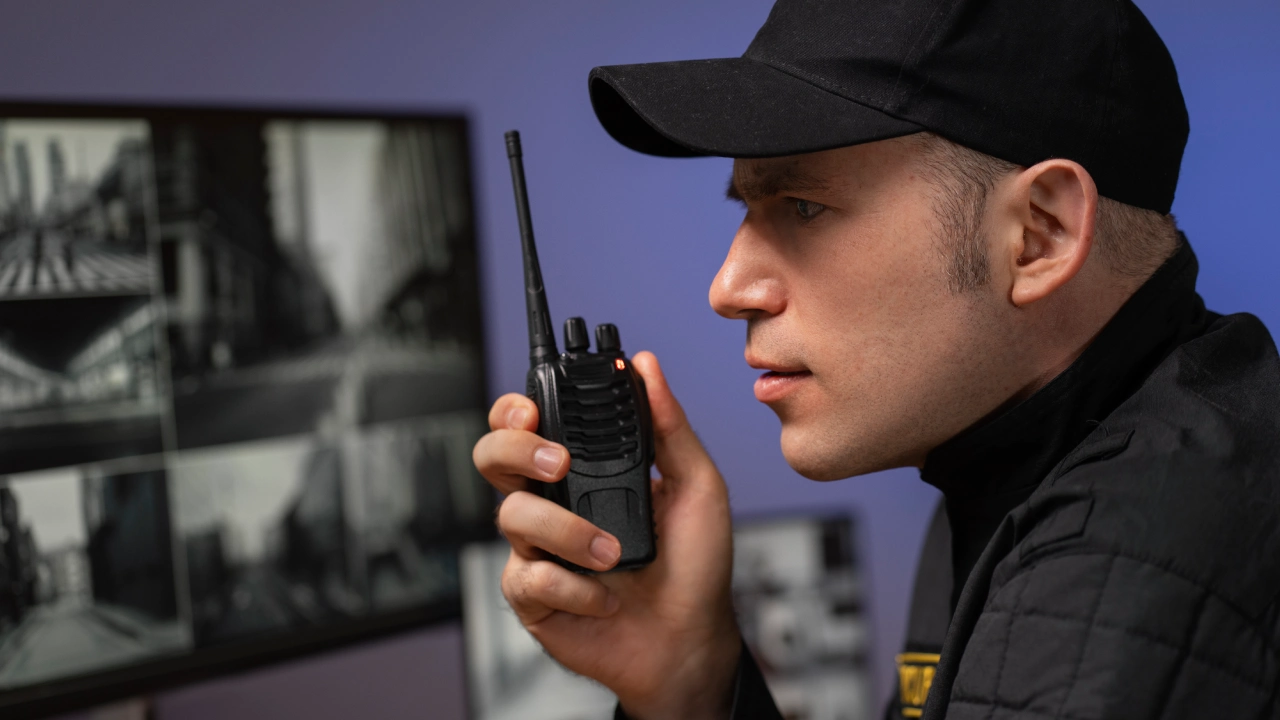
A Busy Store Can Create Gaps in Everyday Monitoring
A busy retail floor can hide more than a missed sale. Employees are helping customers, shoppers are moving through aisles, merchandise is leaving shelves, and several conversations may be happening at once. Then suspicious activity appears near an exit or in an aisle receiving little attention.
What happens when a store has cameras but no one is actively watching what is happening on the ground?
Loss Prevention Security adds an on-site layer of observation to existing store procedures. Security personnel can watch activity, identify concerns, document incidents, communicate with authorized staff, and follow site procedures. While they can’t prevent every theft, they can provide an additional set of eyes when employees are busy.
What Is Loss Prevention Security?
Loss Prevention Security refers to security measures used to help retail businesses identify, document, and respond to situations that may contribute to merchandise or inventory loss. Security personnel can monitor entrances and exits, patrol assigned areas, observe activity, and communicate concerns to store management.
The key difference is active observation. CCTV can record an event for later review, while a guard on the floor can observe movement and communicate with authorized personnel as situations develop.
Loss prevention can also involve inventory controls, access controls, lighting, store layout, and incident reporting.
7 Ways Loss Prevention Security Can Strengthen Store Monitoring
1. More Eyes on the Sales Floor
A retail employee may be answering a customer’s question one moment and handling a return, restocking a shelf, or helping at checkout the next.
A security guard can focus on observation while employees handle their assigned duties.
Coverage may include:
- Entrances and exits
- Sales aisles
- Checkout areas
- Self-checkout zones
- High-value merchandise sections
- Stockroom access points
- Loading areas
Coverage depends on the store layout, staffing, schedule, and site instructions. The value comes from having personnel assigned to areas that might otherwise receive less attention.
2. Visible Security Can Deter Suspicious Activity
What changes when people see that a store has visible security coverage?
There is no guarantee that a guard will stop every incident. A uniformed presence can, however, make security procedures more apparent to people entering and moving through the store.
Patrols and floor observation can demonstrate that entrances, exits, aisles, and other areas are under surveillance. This can work alongside cameras, lighting, access controls, and staff procedures.
3. Suspicious Behaviour Can Be Reported Quickly
A suspicious situation can develop in seconds.
A guard who notices unusual activity can communicate the observation to authorized store personnel according to site procedures. Reporting may include:
- What was observed
- Where and when it occurred
- Merchandise involved, when known
- Actions taken
- Who was notified
Loss Prevention Security is not about making assumptions about someone’s intentions. Factual observation matters. Reports should distinguish what a guard actually saw from what someone assumed happened.
If police or emergency services are required, the appropriate escalation process should be followed. Security guards are not police officers.
4. High-Risk Areas Can Receive More Attention
Every store has a different layout. Some have several entrances, long aisles, self-checkout stations, stockrooms, loading areas, or sections with limited visibility.
That raises another question: are all parts of the property receiving the same level of attention?
Not necessarily.
Patrol patterns can focus on areas that management has identified as needing additional observation, such as:
- Entrances and exits
- High-value merchandise
- Self-checkout areas
- Stockrooms
- Loading zones
- Parking areas
- Areas with limited visibility
Coverage should be tailored to the specific needs of the property and adhere to site instructions, rather than following a generic routine.
5. Security Personnel Can Support Inventory Loss Prevention
Missing merchandise does not always point to one cause.
Inventory discrepancies can arise from shoplifting, internal theft, receiving mistakes, damaged products, misplaced items, data-entry issues, or other operational problems.
That is why Inventory Loss Prevention is broader than watching for shoplifting.
Security personnel may observe activity around merchandise, stockroom access, loading areas, and other assigned locations. They may also document incidents that management can review alongside inventory records.
Security guards do not replace inventory systems or accounting controls. Their role is one part of a wider process for identifying and documenting potential loss.
6. Incident Documentation Creates a Clearer Record
What happens after a suspicious event?
Without a factual record, details can become harder to reconstruct. A written incident report can create a timeline for management review.
Depending on site procedures, a report may record:
- Date and time
- Location
- Observed behaviour
- Merchandise involved
- People involved when appropriate
- Actions taken
- Management notification
Reports can also be compared with CCTV footage, staffing schedules, and inventory records to identify recurring situations.
7. Store Employees Can Focus on Customer Service
Retail staff may serve customers, process transactions, handle returns, restock products, or manage deliveries. Asking them to monitor every aisle at the same time can create a difficult operational balance.
Retail Loss Prevention Security can give designated security personnel a separate observation role while store employees remain focused on their assigned tasks.
Security does not replace retail staff. Responsibilities can be divided more clearly: employees handle store operations and customer service, while security personnel monitor assigned areas, document incidents, and communicate with management according to site procedures.
What Does a Loss Prevention Security Guard Do?
A Loss Prevention Security guard monitors store activity, observes potential security concerns, documents incidents, and communicates relevant information to authorized store personnel.
Common responsibilities may include:
- Monitoring entrances and exits
- Conducting patrols
- Observing customer activity
- Monitoring assigned high-risk areas
- Reporting suspicious behaviour
- Recording incidents
- Communicating with management
- Supporting emergency procedures
- Following site-specific instructions
- Maintaining a visible security presence
Exact duties depend on the property and the instructions provided by the business. Security personnel should not be presented as police officers. When police involvement is required, the site’s escalation process and applicable law should guide the response.
Why Store Theft Can Be Harder to Notice Than It Looks
Retail theft does not always happen in a dramatic moment.
A busy store can have customers moving in several directions while employees handle clients, deliveries, and checkout lines. A small incident can be difficult to identify when attention is divided.
Monitoring challenges may involve:
- Busy periods with heavy customer traffic
- Multiple entrances and exits
- Crowded aisles
- Self-checkout areas
- Limited-visibility sections
- Stockroom access
- Repeated small inventory discrepancies
- Internal theft concerns
This approach fits into a wider store-monitoring plan by focusing on observation, documentation, and communication.
6 Store Monitoring Problems Businesses Often Overlook
1. Cameras Are Not the Same as Active Observation
Cameras can provide recorded footage for later review. A camera does not physically move through a store or communicate directly with staff when an event occurs.
2. Employees Cannot Watch Every Area
Employees have operational duties. A cashier cannot watch a stockroom while handling a customer line. A manager dealing with a delivery may not be watching the opposite side of the sales floor.
3. Busy Periods Create Monitoring Challenges
High customer traffic can make observation more difficult.
When many people are entering, leaving, browsing, asking questions, and using checkout stations, staff attention can become divided. Security personnel can focus on assigned observation duties during these periods.
4. Blind Spots Can Go Unnoticed
A blind spot does not have to be a hidden corner. It can be an area that receives less attention because of the store layout or daily workflow.
5. Small Incidents May Not Look Significant
A single misplaced item or small discrepancy may not explain a wider pattern.
When incidents are documented consistently, management has more information to compare across dates, locations, merchandise categories, and operating conditions.
6. Poor Documentation Can Make Patterns Difficult to Identify
If details are missing, separate incidents may be harder to compare.
Reports can record when and where something occurred, what was observed, what action followed, and who was notified.
How Loss Prevention Security Works in a Retail Store
The process varies by property, business requirements, site instructions, and applicable laws. A typical framework may look like this:
- Review the site’s security requirements
- Identify areas requiring monitoring
- Establish patrol and observation procedures
- Maintain visible security coverage
- Observe and document relevant activity
- Communicate incidents to authorized personnel
- Follow the site’s escalation procedures
- Prepare reports when required
The process should reflect the property rather than a generic checklist because store layouts and monitoring needs vary.
Retail Theft Prevention: Where Security Guards Fit
Retail Theft Prevention usually involves more than one security measure.
A store may use:
- Security guards
- CCTV
- Access control
- Store employees
- Inventory systems
- Lighting
- Store layout
- Policies and procedures
- Incident reporting
- Management oversight
Loss Prevention Security Guards can form one layer within that system. Their role may include observation, patrols, incident reporting, and communication with authorized personnel.
Loss Prevention Security in Langley, BC
Retail businesses in Langley can face store-monitoring challenges linked to customer traffic, multiple entrances, merchandise movement, staffing demands, and store layout.
One location may need attention around entrances and exits during busy periods. Another may need more observation around self-checkout, stockroom access, loading areas, or high-value merchandise.
Retail Security Guards can work within site instructions to observe assigned areas, conduct patrols, document incidents, and communicate with authorized store personnel. For businesses in Langley, coverage depends on the property, operating hours, layout, staffing, and security concerns identified by management.
When Should a Store Consider Loss Prevention Security?
A business may consider security coverage when it has practical reasons for adding another layer of store monitoring.
Examples include:
- Repeated shoplifting incidents
- Inventory discrepancies
- Concerns around high-value merchandise
- Large customer volumes
- Multiple entrances
- Limited staff availability
- Previous security incidents
- Concerns around employee theft
- A new store opening
- Scheduled events or unusually busy periods
- A need for after-hours monitoring
These factors do not automatically mean a store requires guards. Management can review current controls, staffing, and operating procedures before deciding what coverage fits the property.
FAQs
What is loss prevention security?
Loss Prevention Security uses security measures and personnel to help retail businesses monitor activity, identify concerns, document incidents, and communicate relevant information. It can support procedures related to shoplifting, inventory discrepancies, access, and incident reporting.
What does a security guard for loss prevention do?
A loss prevention security guard monitors assigned areas, watches store activity, conducts patrols, documents incidents, and communicates observations to authorized store personnel. Duties vary by property and site instructions.
How does loss prevention security work?
This approach places security personnel within an established store-monitoring process. Personnel may observe assigned areas, conduct patrols, document activity, notify authorized staff, and follow escalation procedures based on the property and site instructions.
How can loss prevention security reduce retail theft?
Security personnel may reduce opportunities for theft through visible observation and monitoring. Patrols and incident reporting can also help management identify recurring concerns. No security measure can guarantee that theft will occur.
Can security guards monitor retail stores?
Yes. Security guards can monitor retail stores when their duties include observing the store. This may involve entrances, exits, sales floors, self-checkout areas, stockrooms, loading areas, and other assigned locations.
What areas can retail security guards monitor?
They can monitor areas assigned by the business, such as entrances, exits, sales aisles, checkout areas, self-checkout zones, stockrooms, loading areas, parking areas, and sections with limited visibility. Coverage depends on the property and site instructions.
Can security guards help with shoplifting prevention?
Yes. Security guards can support Shoplifting Prevention through visible presence, observation, patrols, and incident reporting. Their role is not to assume guilt or act as police. Incidents requiring police involvement should follow site procedures and applicable law.
Does a store need security guards if it already has CCTV?
Not necessarily. Cameras record activity for later review, while security personnel provide physical observation, patrols, staff communication, and incident reporting. A business can review its layout, staffing, incident history, and existing controls before deciding on added coverage.
Moving Forward
Store monitoring is rarely about one tool. Cameras, inventory systems, store procedures, employee awareness, access controls, and security personnel can each serve different roles.
Loss Prevention Security can add an on-site observation layer for businesses that need additional monitoring around entrances, sales floors, stockrooms, checkout areas, or other assigned locations. The focus should remain on factual observation, clear communication, documentation, and site procedures.
For retail businesses in Langley looking into security coverage, Red Star Security Ltd can be contacted to discuss the property’s security requirements.
Our offices are at 5896 186a St, Surrey, BC V3S 7Z9, Canada.
Need security coverage for a retail location in Langley? Contact Red Star Security Ltd at +1 778-770-1115 to discuss your store’s security requirements.




No comment